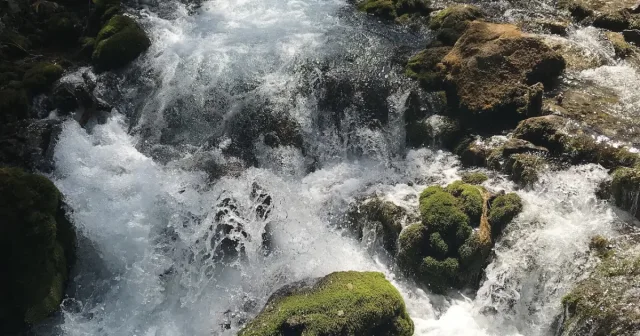
On a first visit to Gümüşhane, choose one landscape you want to get to know. That could be the limestone interior of Karaca Cave, a waterfall visit or a historic settlement set into the mountains. Several appealing places appear close together on a map of the province, but each has a different approach and a different rhythm. A day built around a main visit and a second optional stop leaves room to sit down, eat and enjoy the scenery.
For current departures, see the Gümüşhane tour, compare day tours or open the Gümüş VIP Tur homepage.
Read the rocks at Karaca Cave
Inside Karaca Cave, look for the difference between formations hanging from the ceiling and those rising from the floor. The lighting makes it easier to see how surfaces and colours change along the route. Follow the designated path, keep your hands off the formations and look for any posted rules about cameras. A light extra layer may be welcome if you came dressed for a warm afternoon outside.
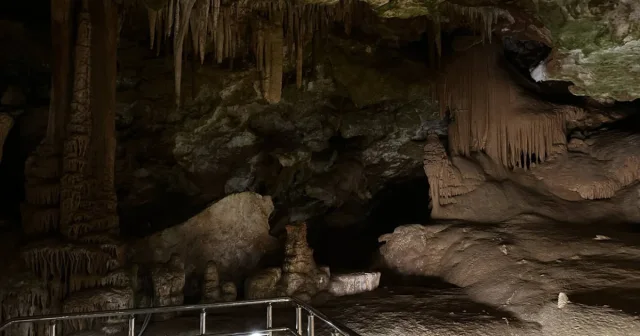
Before building the day around the cave, confirm access and opening arrangements. If someone in your group has trouble with stairs, tell your host or tour operator what kind of walking they can manage comfortably. A vehicle being able to reach the site does not tell you what the approach on foot is like. Give this stop enough time if geology is one of the reasons you came.
Choose an outdoor stop that fits your day
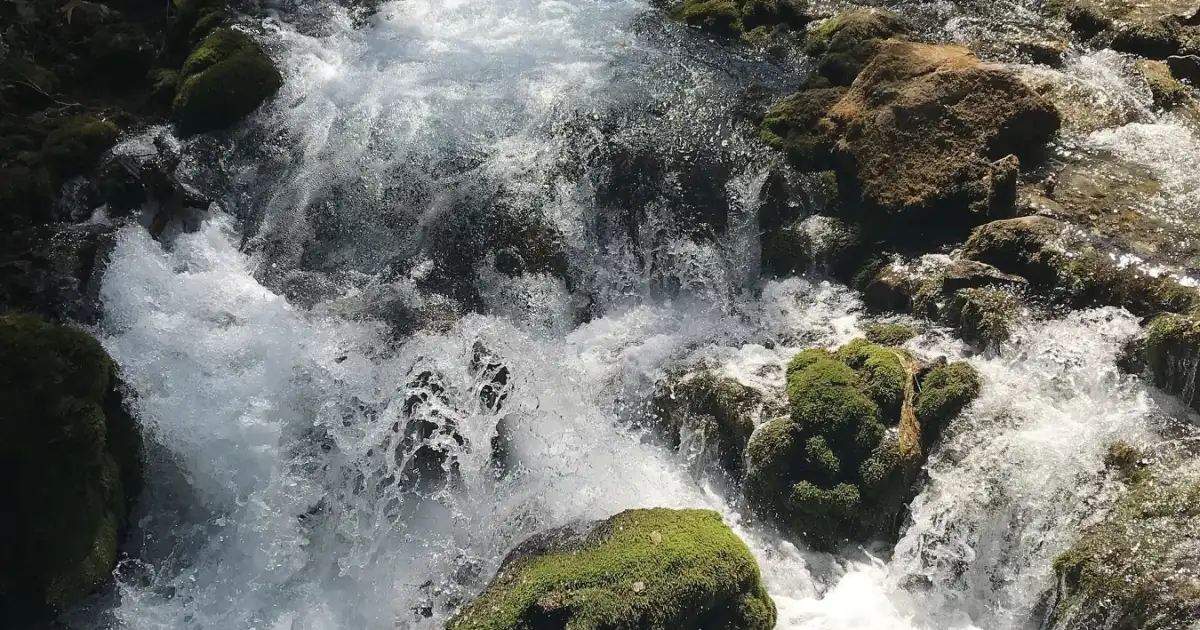
Tomara Waterfall is a good focus for visitors drawn to running water and woodland. Listen to the different sounds as you move away from or towards the water. Keep to the marked access and take extra care where spray leaves the surface wet. A pair of shoes you can trust on damp ground is more useful here than trying to get close enough for a particular photograph.
Limni Lake suits a quieter break. If the skies are clear, this is the sort of stop where you might want time just to look around. Mountain weather can change what is practical, so consider what you would substitute if the access is poor or the clouds come down. Where a tour lists only a short stop, ask whether you will be able to walk near the water or see it from a designated viewpoint.
Give the historic valleys time
In Santa, the remains of buildings tell part of the story, but their position in the landscape tells another. Look at the relationship between the slopes, water and the older tracks. The places worth noticing are often visible without climbing onto masonry or entering structures. Choose a safe place to pause, and let your eyes take in how the buildings follow the contours.
Krom Valley offers a different way to explore the region’s historic settlements. Ask whether the visit is mainly a drive through the valley, a stop near the road or a longer walk. If you plan to include Zigana as well, take the mountain weather seriously. A good view at an exposed stop depends on visibility, and an alternate stop may give you a more enjoyable afternoon on a foggy day.
Plan the day from your actual starting point
If you are staying outside the city centre, check whether the advertised meeting point is convenient from your accommodation. Ask when the group needs to assemble and what the return plan looks like. Independent travellers should establish the same details about their transport before leaving. A flexible day is easier to arrange than a connection that depends on an exact return time.
Use meal breaks to explore local food instead of treating them as gaps in the itinerary. You can ask what a restaurant has prepared that day or look for products such as pestil and köme to take away. If you have dietary needs, it is worth discussing them at the booking stage. Some rural stops may offer fewer options, and you may prefer to take water and a snack.
Keep a simple backup plan
If you have only one day, keep a secondary stop that you can move or drop. Ask your accommodation or tour guide what might change after rain. You can also set aside a little time in town to buy something local and end the day with a meal instead of making your return depend on visiting every rural site.